Meta Description: Remote desk life workspace setup doesn’t have to be overwhelming in a small home. Discover 7 practical tips to boost focus, comfort, and productivity without needing extra square footage.
7 Workspace Setup Tips for Your Remote Desk Life in Small Homes
Working from home sounds like a dream — until you realize your dining table is also your office, and your bedroom has somehow become an extension of the conference room. For millions of people living in small apartments or compact homes, the idea of fashioning a functional remote desk life workspace feels nearly impossible.
But here’s the good news: you don’t have to live in a big house or have a huge budget to create a workspace that, frankly, works.
With the right setup, even the smallest corner in your home can turn into a productivity powerhouse. This guide walks you through seven concrete, tried-and-true tips that will change your work-from-home routine — no renovation needed.
How You Set Up Your Workspace During Your Remote Desk Life Actually Matters
Before we get to the tips, let’s discuss why this matters.
Research indicates that your physical space directly influences your capacity to concentrate. A crowded, uncomfortable, or dimly lit space translates into more distractions, more fatigue, and less output — no matter how talented and driven you are.
If you are working remotely full-time, you’ll spend 40+ hours of your week at the desk. That’s more time than you devote to almost anything else in your waking life. Poor setup takes a toll on you little by little. A great one energizes you daily.
Living small is the challenge of doing more with less. Every tip on this list is tailored to that limitation.
Tip 1 — Select Your Ideal Position Prior to Buying Anything
Location Is Everything
The single most important decision for your remote desk life workspace setup isn’t about furniture or gadgets. It’s about where you place it all.
In a small home, you might not have a dedicated office room. That’s okay. What you need is a spot that ticks three boxes:
- Natural light nearby — Sunlight reduces eye strain and boosts mood. A spot near a window is better than a spot in a dark corner.
- Separation from distraction zones — Keep your desk away from the TV, kitchen, and high-traffic areas if you can.
- Visual cues that indicate “work” — Your brain responds to your surroundings. A corner that looks like a workspace makes it easier to shift into work mode.
What If You Live in a Studio Apartment?
Use a room divider, bookcase, or even a curtain to set up a visual barrier between your workspace and relaxation space. This separation is psychological, not merely physical — and it works.
Even a simple L-shaped corner setup near a window can beat a full spare room with no natural light and a bad chair.
Tip 2 — Go Vertical With Storage to Save Floor Space
The Most Underused Real Estate in Your Home
In small spaces, floor space is gold. Wall space, in contrast, often goes completely to waste. Shifting your storage strategy from horizontal to vertical is one of the smartest moves you can make.
Here are some options that work well for a compact remote desk life workspace:
- Floating wall shelves — Install two or three above your desk for books, supplies, and tech accessories.
- Pegboards — These are incredibly versatile. Hang headphones, cables, notebooks, and small plants on a pegboard above your desk.
- Tall bookcases or ladder shelves — They hold a lot without occupying much floor space.
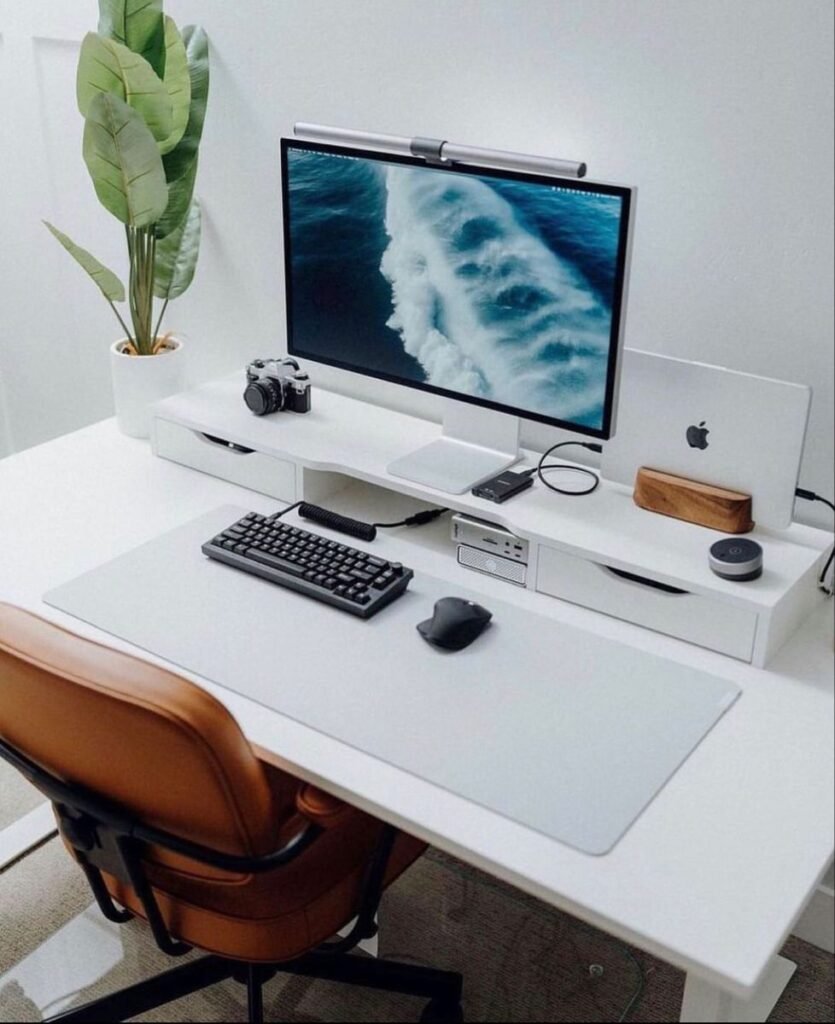
- Monitor risers with drawers underneath — Elevate your screen to eye level and use the space below for added storage.
A Quick Rule of Thumb
If something lives on your desk but you only use it once a week or less, it belongs on a shelf or in a drawer. Your desk surface should only hold what you touch every single day. Less physical clutter on the desk means less mental clutter in your head.
Tip 3 — Invest in a Good Chair (This Is Non-Negotiable)
Your Back Will Thank You in Ten Years
Out of everything you can spend money on for your remote desk life workspace setup, an ergonomic chair gives the highest return. It’s not about luxury. It’s about health.
Sitting for long hours in a bad chair causes:
- Lower back pain
- Poor posture that’s difficult to correct later
- Neck and shoulder tension
- Fatigue that comes on earlier in the day
You don’t have to spend $1,000 on a Herman Miller to have a good chair. Many excellent options exist in the $150–$400 range. Here’s what to look for:
| Feature | Why It Matters |
|---|---|
| Lumbar support | Maintains a healthy curve in the lower back |
| Adjustable seat height | Allows feet to sit flat on the floor |
| Armrests | Reduces shoulder tension during long sessions |
| Seat depth adjustment | Prevents pressure behind the knees |
| Breathable mesh back | Keeps you cool through long workdays |
What About Budget Setups?
If a new chair isn’t in the budget right now, add a lumbar support cushion to your current chair. It’s not a perfect solution, but it’s a meaningful improvement while you save up.
Tip 4 — Tame Your Cables and Create a Clutter-Free Zone
The Hidden Productivity Killer
You may not think cables affect your focus. But research on visual clutter consistently shows that messy environments increase cognitive load. In plain terms: a tangled cable situation quietly drains your mental energy.
Cable management doesn’t have to be complicated. Here’s a simple approach for a small home remote workspace:
Step 1: Use velcro cable ties (not zip ties — they’re reusable) to bundle cables together.
Step 2: Attach a cable management tray or box under your desk to hide the power strip and excess cord length.
Step 3: Use cable clips along the edge of your desk to route cables neatly to where your devices sit.
Step 4: Label both ends of each cable with small tags. If something goes wrong, you’ll know exactly what to unplug.
Wireless Is Your Friend in Small Spaces
Where possible, go wireless. A wireless keyboard, wireless mouse, and wireless headphones cut down on cables dramatically. This is especially valuable at a small desk where every inch matters.
Tip 5 — Set Up Your Lighting the Right Way
Bad Lighting Is Costing You More Than You Know
Lighting is one of the most overlooked aspects of any remote desk life workspace setup — and one of the highest-impact changes you can make.
Poor lighting causes:
- Eye strain after just 1–2 hours of screen time
- Headaches that seem to come from nowhere
- Washed-out or over-bright video calls
- Decreased alertness, particularly in the afternoon
The Three-Layer Lighting Setup
Professional interior designers use three types of lighting in a room. You can apply the same thinking to your home workspace:
1. Ambient light — This is your room’s general light. Natural light from a window is best. If your space lacks windows, use a warm overhead LED rather than a harsh fluorescent bulb.
2. Task light — This is a desk lamp that illuminates your actual work area. Keep it on the opposite side from your dominant hand to avoid shadows. Look for a lamp with adjustable color temperature (warmer in the morning, cooler in the afternoon).
3. Bias light — This is a strip of LED lights placed behind your monitor. It reduces the contrast between your screen and the dark wall behind it, which greatly reduces eye strain during long sessions. According to the American Optometric Association, proper lighting is one of the key factors in preventing computer vision syndrome.
Lighting for Video Calls
If you take video calls, position your main light source in front of you — facing your face — not behind you. A ring light or a simple desk lamp aimed at your face from slightly above makes a dramatic difference in how you look on camera.
Tip 6 — Use Foldable or Multi-Purpose Furniture for Flexibility
Furniture That Works as Hard as You Do
In a small home, furniture that serves only one purpose is a luxury you can’t afford. The same goes for your remote desk life workspace setup.
Foldable and convertible furniture options have improved dramatically in recent years. Here are the best types for compact home offices:
- Wall-mounted fold-down desks — These fold flat against the wall when not in use, freeing up the entire floor area. They’re perfect for studio apartments or shared living rooms.
- Secretary desks — A classic design that folds closed at the end of the workday, concealing everything inside. Great for keeping “work” visually out of sight during your off hours.
- Sit-stand desk converters — These sit on top of your existing desk or table and let you raise your monitor and keyboard to standing height. You don’t need a full motorized standing desk to get the health benefits.
- Ottomans with storage — Use one near your desk as a footrest. Open it up and store office supplies, chargers, or paper inside.
The “Pack-Up Ritual”
One smart habit that many remote workers swear by: at the end of each workday, fold or pack up your workspace. This physical act signals to your brain that the workday is over. In small homes where living and working happen in the same spaces, this ritual becomes especially powerful for mental separation.
Tip 7 — Control Noise to Protect Your Focus
Sound Is the Sneakiest Distraction
You may have the ideal desk, the best chair, and wonderful lighting — but if noise keeps interrupting your concentration, none of it matters as much as it could.
In tight homes and apartments, sound travels easily. Here’s how to tackle it at different levels:
Passive Noise Control (No Cost or Low Cost)
- Add a rug under and around your desk area. Hard floors bounce sound. Rugs absorb it.
- Use soft furnishings nearby — curtains, bookshelves packed with books, and a couch all act as natural sound absorbers.
- Position your desk away from thin exterior walls if street noise is an issue.
Active Noise Control
- Noise-canceling headphones are one of the best investments for remote workers in noisy environments. You don’t have to spend $350. Many options in the $80–$150 range offer solid active noise cancellation.
- White noise or brown noise apps — These mask inconsistent background noise like conversations or traffic. Apps like Noisli or Brain.fm are popular with remote workers.
For Video Calls Specifically
If you take a lot of calls and background noise is a problem, consider a directional USB microphone. These only pick up sound from directly in front of them, minimizing room echo and ambient noise. Your colleagues will notice the difference immediately.
How These 7 Tips Work Together
None of these tips exists in isolation. The best remote desk life workspace setups combine all of these elements into one cohesive system.
Here’s how to think about building that system in stages:
| Priority | Tip | Investment Level | Time to Implement |
|---|---|---|---|
| Start here | Right location | Free | 1 hour |
| Week 1 | Cable management | Low ($10–$30) | 1–2 hours |
| Week 1 | Basic lighting | Low–Medium ($25–$80) | 30 minutes |
| Week 2 | Vertical storage | Medium ($40–$150) | Half day |
| Week 2 | Noise control | Low–Medium ($0–$150) | Ongoing |
| Month 1 | Ergonomic chair | Medium–High ($150–$400) | 30 minutes |
| Month 1–2 | Foldable/multi-use desk | Medium ($100–$350) | Half day |
Start with low-cost options — finding the right spot and doing a cable cleanup. Just these two changes will immediately create a different atmosphere in your workspace. Then layer in the rest as time and budget allow.
Mistakes to Avoid While Working From a Small Home Office
Despite good intentions, remote workers in tight spaces make certain missteps repeatedly. Watch out for these:
Mistake 1: Using the couch or bed as a workplace. It feels comfortable in the short term, but it destroys your posture and erases the line between rest and work. Your brain begins to link your bed with stress, not sleep.
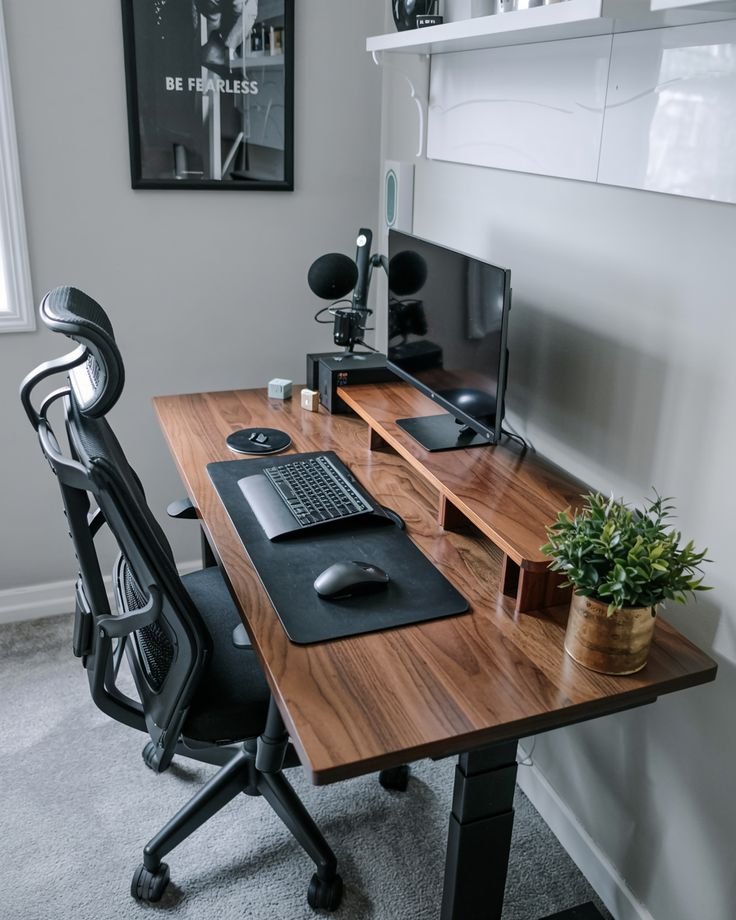
Mistake 2: Ignoring monitor height. Your monitor should be at or just below eye level. Anything lower forces you to look down for hours, causing neck pain. A simple monitor riser or even a few thick books resolve this instantly.
Mistake 3: Over-decorating the desk. Plants, photos, and small objects are great for morale — in moderation. When decor takes up your working surface, it becomes a problem. One or two personal items are sufficient.
Mistake 4: Neglecting video call backgrounds. Your background matters on professional calls. Spend 10 minutes making sure your video background looks clean, neutral, and intentional. A bookshelf works great. A pile of laundry does not.
Frequently Asked Questions About Remote Desk Life Workspace Setups in Small Homes
Q: What is the minimum space I need for a proper home workspace? You can set up a remote workspace in as little as 3 feet by 2 feet of surface area. A fold-down wall desk occupies very little space when not in use. The key is smart use of vertical storage and keeping your desk surface clear.
Q: Is a standing desk worth it in a small home? A full standing desk can be bulky. A sit-stand converter (a unit that sits on top of your existing desk) works much better for small spaces. It gives you the health benefits of switching between sitting and standing without taking over your room.
Q: How can I cope with noise in a shared apartment or thin-walled home? Start with noise-canceling headphones for focused work and calls. Add a rug beneath your workspace. A white noise machine or app can also help mask erratic sounds like conversations or street traffic.
Q: Can I have a good home office without spending a lot of money? Absolutely. The largest gains come from free adjustments: choosing a better location, tidying cables with things you already have, and moving furniture to maximize natural light. A good chair is worth saving for, but the other six tips on this list are totally doable on a tight budget.
Q: How can I prevent work from spilling into my personal life when I live in a tiny home? The physical “pack-up ritual” is one of the most effective tools. When your workday is done, fold up the desk, put away the laptop, and clear off the surface. It’s a signal to your brain that work is over. Pair it with a short walk or a different evening routine to reinforce the boundary.
Q: Do I need a dedicated room for my home office? No. Millions of productive remote workers operate out of a single corner, a hallway nook, or a studio apartment. What matters is intentional setup — good lighting, a proper chair, noise management, and clear visual boundaries — not a dedicated room.
Wrapping It Up — Build the Workspace Your Work Deserves
A remote desk life workspace setup in a small home is absolutely achievable. All it takes is rethinking space.
You don’t need more square footage. You need smarter choices.
Start with your location. Add vertical storage. Invest in a chair that supports your body. Manage your cables and your lighting. Choose furniture that folds away when the workday ends. And protect your focus with smart noise control.
These seven tips won’t just beautify your workspace. They’ll help you feel better while working, end each day stronger, and protect your health over the years you spend working remotely.
Your home office may be small. But with the right setup, it can do everything a larger one does — and more.