11 Easy Remote Desk Life Productivity Tweaks That Saved Me Hours
I still remember the exact afternoon it hit me. I was sitting at my desk in the corner of my living room, the same spot I’d claimed when remote work became permanent a couple years back. My back ached, my eyes felt like sandpaper, and I’d just spent forty-five minutes hunting for a file I knew was open somewhere on my laptop. By the time I finally sent that one email, it was already past lunch and I hadn’t touched the big project due the next day. Hours gone, just like that. Sound familiar? If you’re living the remote desk life too—laptop always on, no office commute, but somehow the days slip away faster than ever—you know what I’m talking about. I wasn’t some productivity guru. I was just tired of feeling like my home setup was stealing time from me instead of giving it back. So I started experimenting. Small stuff. Nothing fancy or expensive. Over the next few months, I tested dozens of little changes, kept what worked, ditched what didn’t. Eleven tweaks stood out. Together they didn’t just add minutes here and there; they clawed back whole hours every single week. Some days it felt like I gained an extra afternoon. I’m not exaggerating. Let me walk you through them exactly as I discovered them, mess and all, because that’s how real change happens—not from perfect plans but from one frustrated tweak at a time.
The first one sounds stupidly simple, but it was the foundation for everything else: I finally fixed my chair height and monitor angle. For months I’d been hunching like some cartoon villain because my kitchen chair was too low and the laptop sat flat on the desk. One Saturday I grabbed a couple of old books from the shelf, stacked them under the monitor until my eyes were level with the top third of the screen, and raised the chair so my feet touched the floor flat and my knees made a nice ninety-degree angle. I didn’t buy anything special—just used what I had. The difference the next Monday was ridiculous. No more neck cramps by eleven a.m. I could actually focus through a two-hour deep work block without constantly shifting. Before, I’d lose ten or fifteen minutes every morning just stretching out the kinks. After, those minutes stayed productive. I started noticing I finished my first big task before most people even logged on. It wasn’t magic; it was basic ergonomics I had ignored because it felt too obvious. But once I stopped fighting my body, my brain stopped fighting the work.
Number two built right on that. I started alternating between sitting and a half-standing position using a cheap stack of boxes I already owned. No fancy standing desk conversion kit—just three sturdy cardboard boxes from my last online order taped together to make a platform about twenty inches high. I’d slide the laptop up there for an hour or two in the morning, then back down after lunch. The change in blood flow was immediate. I didn’t get that heavy afternoon slump anymore. Instead of crashing at three and wasting an hour scrolling nonsense to wake up, I stayed steady. One week I tracked it: normally I’d lose about ninety minutes to that post-lunch fog. After the sit-stand swap, it dropped to twenty. That’s seventy minutes reclaimed, just from letting my legs move a bit without leaving the room. Remote life means you’re glued to the same spot all day if you’re not careful. This tweak forced micro-movement without disrupting calls or deadlines.
The third tweak was all about my eyes, because staring at a screen in the same room with the same lighting was frying them by mid-afternoon. I started following the 20-20-20 rule but made it stricter and tied it to something automatic. Every twenty minutes I set a gentle phone chime—not an annoying alarm, just a soft bell tone—and I’d look at something twenty feet away for twenty seconds. To make it stick, I taped a little sticky note on the wall across the room with a funny doodle of a mountain. Forcing my eyes to focus on that distant point reset the strain. Within a week my afternoon headaches disappeared. I used to pause work every couple hours to rub my temples and wait for the pain to fade—easy fifteen-minute losses multiple times a day. Now those pauses turned into quick resets instead of recovery time. The best part? It trained me to notice when I was getting blurry without the timer. My focus sessions stretched longer naturally.
Fourth one was pure keyboard and mouse magic. I sat down one evening and learned maybe twenty new shortcuts for the tools I use most—Slack, Gmail, Google Docs, and my project board. Nothing complicated. Ctrl+Shift+V to paste without formatting. Alt+Tab to flip between windows faster. A few custom ones in Gmail for archiving whole threads with one keystroke. I printed a tiny cheat sheet and taped it to the bottom of my monitor for the first week. The learning curve was two days of feeling clumsy. After that? I swear I shaved fifteen minutes off every single hour of email and admin work. Before, I’d click around like a tourist. Now my hands just knew. One morning I cleared my entire inbox backlog in under forty minutes instead of the usual two hours. That’s not hype; that’s because every tiny action stopped costing extra seconds. In remote desk life, those seconds multiply into hours when you’re switching between ten tabs and three apps constantly.
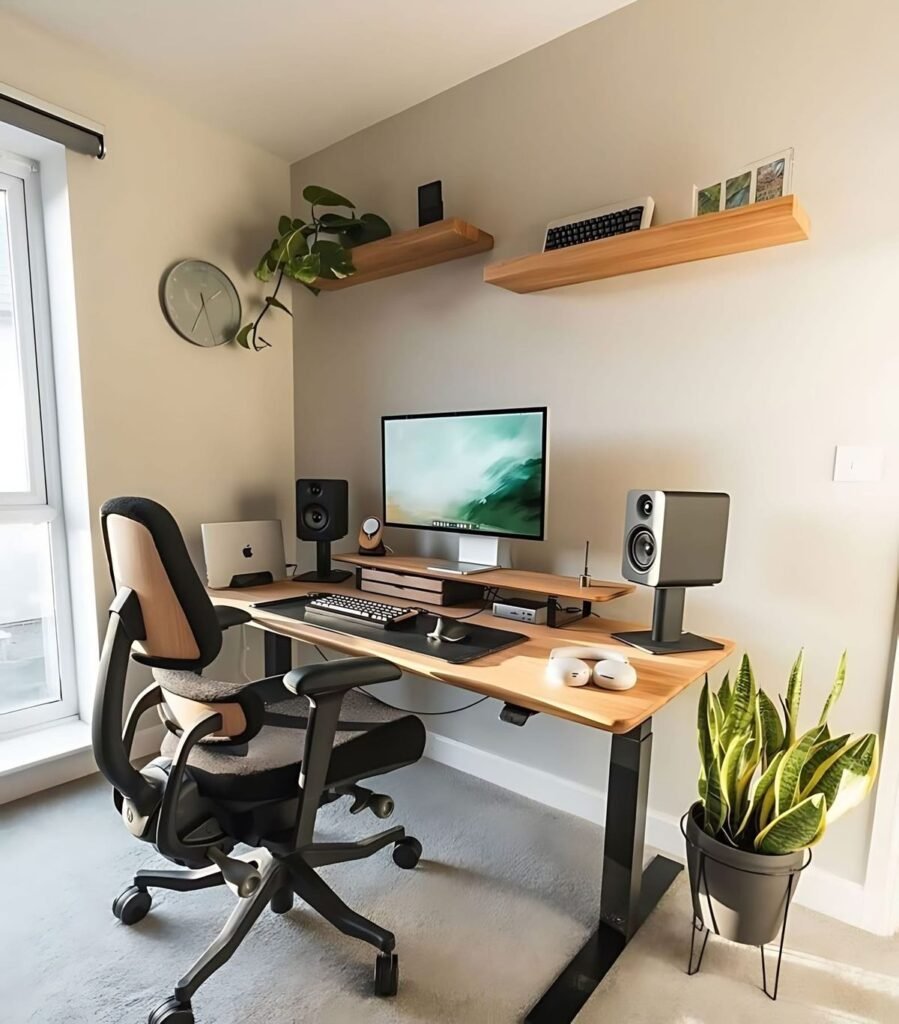
Five was the notification purge that changed my entire relationship with email and Slack. I used to have everything pinging instantly—desktop alerts, phone buzzes, browser tabs screaming for attention. One weekend I sat and turned off every non-essential notification. Slack only for mentions and direct messages. Email checked manually three times a day at set windows. I even created a folder called “Later” and trained myself to drop anything non-urgent there. The first day felt weirdly quiet, like something was missing. By day three I realized the constant interruptions had been stealing my train of thought every seven minutes on average. Now I could stay in flow for forty-five minutes straight. I started batching replies during my three check-ins and suddenly had entire mornings free for real work instead of reactive firefighting. The hours saved here were the most surprising—probably two and a half per day once the habit locked in.
Six brought sound into the equation, and this one felt almost too easy to work. I live in a building with noisy neighbors and street traffic outside, so I created a dedicated focus playlist on Spotify—mostly instrumental lo-fi and some nature sounds layered underneath. Nothing with lyrics that could distract. I plug in noise-canceling headphones (the cheap over-ear kind) and hit play the second I sit down for deep work. The difference was night and day. Before, every horn honk or neighbor’s dog would yank me out of whatever I was writing. I’d lose the thread, reread the last paragraph, waste five minutes getting back. With the playlist running, those external noises faded into the background. I started timing my sessions and found I could push from thirty minutes of focus to ninety without breaking. Over a week that added up to nearly four extra productive hours. Remote desk life throws all kinds of random audio chaos at you; this tweak turned my corner of the room into a private studio.
Seven was decluttering both my physical desk and digital desktop at the same time. I used to have papers, water glasses, random cables, and seventeen open browser tabs fighting for space. One Sunday I cleared everything off the desk except my laptop, notebook, and one plant. Then I created three folders on my desktop—Today, This Week, Archive—and moved every file into them. I closed every tab except the three I needed for the current project. The visual calm was instant. My brain stopped scanning for “where did I put that” every ten minutes. Before the clean-up I’d lose twenty minutes daily just hunting things. After, I could see my tools at a glance and jump straight into work. I kept the habit by spending the last five minutes of every Friday doing a quick reset. That tiny ritual prevented the slow creep of mess that used to cost me whole mornings.
Eight involved splitting my screen real estate smarter. I already had a second monitor from an old laptop setup, but I started using virtual desktops instead of cramming everything on one screen. One desktop for email and chat, another for my main project, a third for research tabs only. Switching with a single keystroke (Ctrl+Win+Left on Windows) became muscle memory. No more alt-tabbing through chaos or losing windows behind each other. I could keep my writing document front and center while glancing at references without breaking focus. The time saved on context switching alone was huge—probably an hour a day. Remote workers often juggle more apps than office folks because everything happens on one machine; virtual desktops gave me the mental separation I didn’t know I needed.
Nine was the micro-movement breaks I actually looked forward to. Instead of the usual “I’ll just power through” mindset, I set a timer for every fifty minutes and forced myself to stand, stretch my arms overhead, touch my toes, or do ten slow squats right next to the desk. Nothing that required changing clothes or leaving the room. At first it felt silly, like interrupting myself on purpose. But the energy it gave back was immediate. My shoulders stopped locking up. My mind cleared faster than any coffee could manage. I used to hit a wall around 2 p.m. and drag for the rest of the day. Now I finish strong because those two-minute resets keep the blood moving. Tracked it one month: each break cost two minutes but saved at least fifteen in regained focus later. Net gain of over an hour daily.
Ten was time-blocking with actual visual cues instead of just a digital calendar. I printed a simple weekly grid on one sheet of paper and taped it above my monitor. Each day divided into colored blocks—green for deep work, yellow for admin, red for meetings. Every morning I shade in what I actually plan to do that day. The paper version made it impossible to ignore. Before, my digital calendar would fill with meetings and I’d wonder why nothing got done. Now I protect the green blocks like they’re sacred. If someone tries to book over one, I push it. The accountability of seeing the colors right in my line of sight cut my wasted time dramatically. I started finishing projects days early because the visual reminder kept me honest about how I was spending the hours.
Eleven, the last one, might be my favorite because it bookends the day instead of just filling the middle. I created an end-of-day shutdown ritual that takes exactly seven minutes. Close all tabs, write three bullet points of what got done and one for tomorrow’s first task, shut the laptop lid, and walk away to make a cup of tea or step outside for fresh air. No checking email “just one more time.” Before this ritual I’d linger at the desk until 7 or 8 p.m., half-working, half-distracted, then feel burned out the next morning. The shutdown signal told my brain the workday was truly over. Sleep improved. Morning starts felt fresh instead of carrying yesterday’s loose ends. The hours saved weren’t just during work—they spilled into better rest and sharper focus the following day. One week I realized I was logging off at 5:30 sharp instead of dragging until dinner, gaining a full extra evening without guilt.
Putting all eleven together wasn’t some overnight transformation. I added them one at a time over about three months, testing each for a full week before stacking the next. Some weeks I’d slip back into old habits when deadlines got crazy, but the beauty was how quickly the good ones pulled me back. The chair fix and notification purge alone probably gave me two hours a day. Layering the rest compounded it. By the end of that first quarter I was consistently finishing my weekly goals by Thursday afternoon instead of scrambling Friday night. My energy didn’t crash at 3 p.m. anymore. Even better, I started enjoying the desk time instead of dreading it. Remote life can feel like a blur of screens and notifications if you let it. These tweaks turned my corner of the apartment into a place that actually worked for me, not against me.
I won’t pretend every day is perfect now. Some mornings I still fight the urge to check Slack the second I sit down. Life happens—power outages, family interruptions, that random urgent client email. But the difference is I have tools to snap back fast. The total time reclaimed? Easily four to five hours a week, sometimes more when I chain them perfectly. That’s not theoretical. I tracked it in a simple notebook for the first two months: average three hours and forty-seven minutes saved per week once everything was in place. Multiply that by fifty working weeks and you’re looking at nearly two hundred extra hours a year. That’s like getting five full weeks of vacation back without taking any.
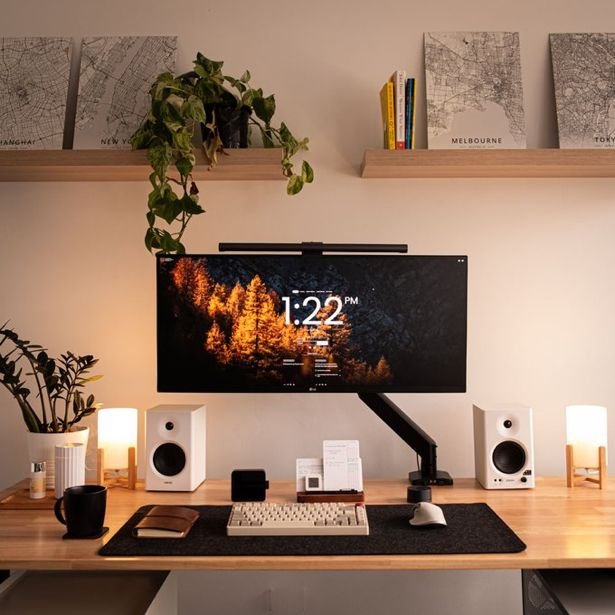
What surprised me most wasn’t the hours themselves. It was how much lighter my mind felt. Remote desk life can trap you in this loop where work bleeds into everything because the office is literally everywhere. These tweaks created boundaries and momentum I didn’t know were possible with such small changes. No expensive apps, no complicated systems, no guru courses. Just ordinary stuff I already had around the house or could set up in ten minutes.
If you’re reading this and feeling that same drag I used to feel, pick one—any one—and try it tomorrow. Start with the chair because everything else sits on top of it. Then add the notifications because quiet is addictive. Build from there. Keep notes on what actually moves the needle for you. Your setup, your distractions, your work style will be slightly different than mine, and that’s fine. The point isn’t copying my exact list. It’s realizing you don’t need a total overhaul to get hours back. You just need to stop accepting the small leaks that add up to lost days.
Looking back, the biggest lesson wasn’t about productivity at all. It was about respecting my own space and time enough to tweak it. I used to think remote work meant accepting whatever setup I had because “it’s just temporary.” But years in, it’s clear this is the real deal for a lot of us. Treating the desk like it matters changed everything. My output went up, my stress went down, and weirdly, I started liking my job more because I wasn’t constantly battling the environment around me.
There’s one more thing I should mention. After about six months of this new rhythm, I noticed something unexpected. Friends who still worked in offices started asking me how I “always seemed to have extra time.” I never bragged about the tweaks, but when they pressed, I’d share one or two. The funny part? A couple of them tried the sit-stand box thing even in their cubicles and reported back the same energy boost. Turns out these aren’t just remote hacks. They’re human hacks. But they shine brightest when your desk is also your entire workplace.
I keep the paper time-block grid updated every Sunday night now. It’s become this quiet ritual I look forward to. The plant on my desk is still alive—miracle, honestly—and the noise-canceling headphones have a permanent spot on the corner. Little anchors that remind me the system works. If I ever feel the old fog creeping in, I know exactly which tweak to revisit first. Usually the eyes or the notifications, because those two sneak back fastest when I’m not paying attention.
Writing all this out feels a bit vulnerable, honestly. Sharing the exact ways I struggled and fixed it means admitting I wasn’t some naturally organized person who had it figured out from day one. I was the guy drowning in open tabs and back pain, same as most remote workers I know. But that’s why these tweaks landed so hard for me. They weren’t complicated theories from a book. They were born from real frustration on real afternoons when nothing was getting done. I tested them in the trenches, adjusted when they didn’t fit, and kept the ones that gave me back my time without stealing my sanity.
If I had to sum up the whole experiment in one sentence, it’d be this: the biggest productivity gains in remote desk life come from the tiniest, most boring changes done consistently. Not from fancy tools or new apps, but from fixing the friction you stopped noticing months ago. I saved hours. More importantly, I saved the version of myself that used to dread opening the laptop every morning. If even one of these ideas clicks for you the way they did for me, then writing this was worth every word.
I’ve gone back and reread sections of my own notes from those early experiments. The margins are full of scribbles like “this actually works???” and “why didn’t I do this sooner.” Those notes are dog-eared now, but the habits they sparked are still going strong. Remote work isn’t going away, and neither is the desk that comes with it. Might as well make the relationship a good one. Start small, stay honest about what drains you, and watch the hours stack up on your side instead of slipping away.
One last practical tip before I wrap this up: keep a running list of the tweaks somewhere visible for the first month. I used the back of that same time-block paper. Every time I caught myself slipping, I’d glance at the list and pick the easiest one to restart. Momentum is fragile at first but gets stronger with every small win. By week six I didn’t need the list anymore because the new normal felt better than the old chaos ever did.
That’s the real secret, I think. Not forcing yourself into some perfect routine, but gently steering your daily environment until it starts steering you toward better days. Eleven tweaks. Thousands of minutes returned. And a desk I actually look forward to sitting at each morning. If you’re in the thick of remote desk life right now, I hope at least a couple of these land for you too. You’ve got the power to tweak it. Start with whatever feels least intimidating. The hours are waiting.